OVERLAYS & RESURFACING
A fresh finish starts with the concrete underneath.
Refresh suitable concrete without a full tear-out
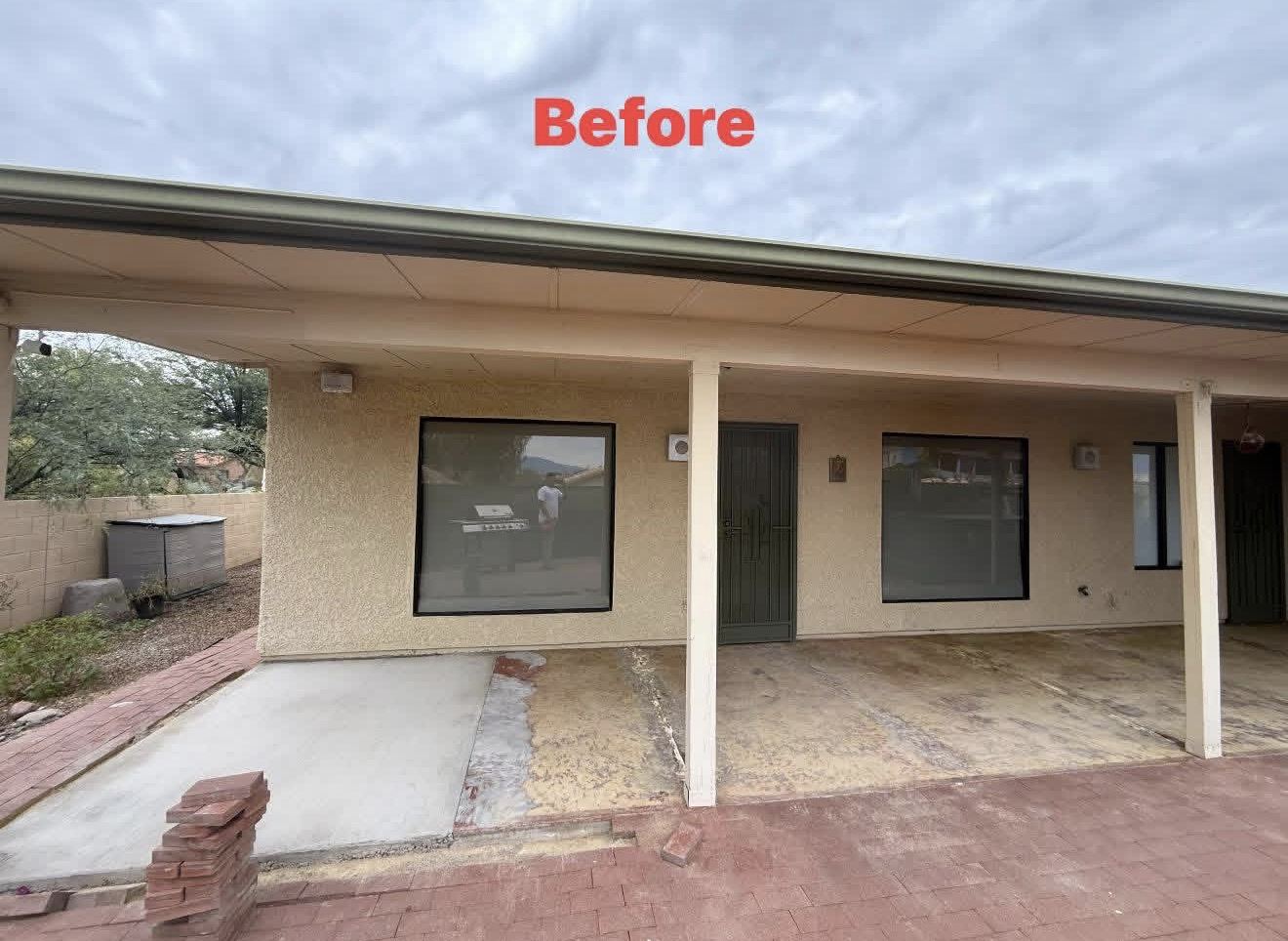
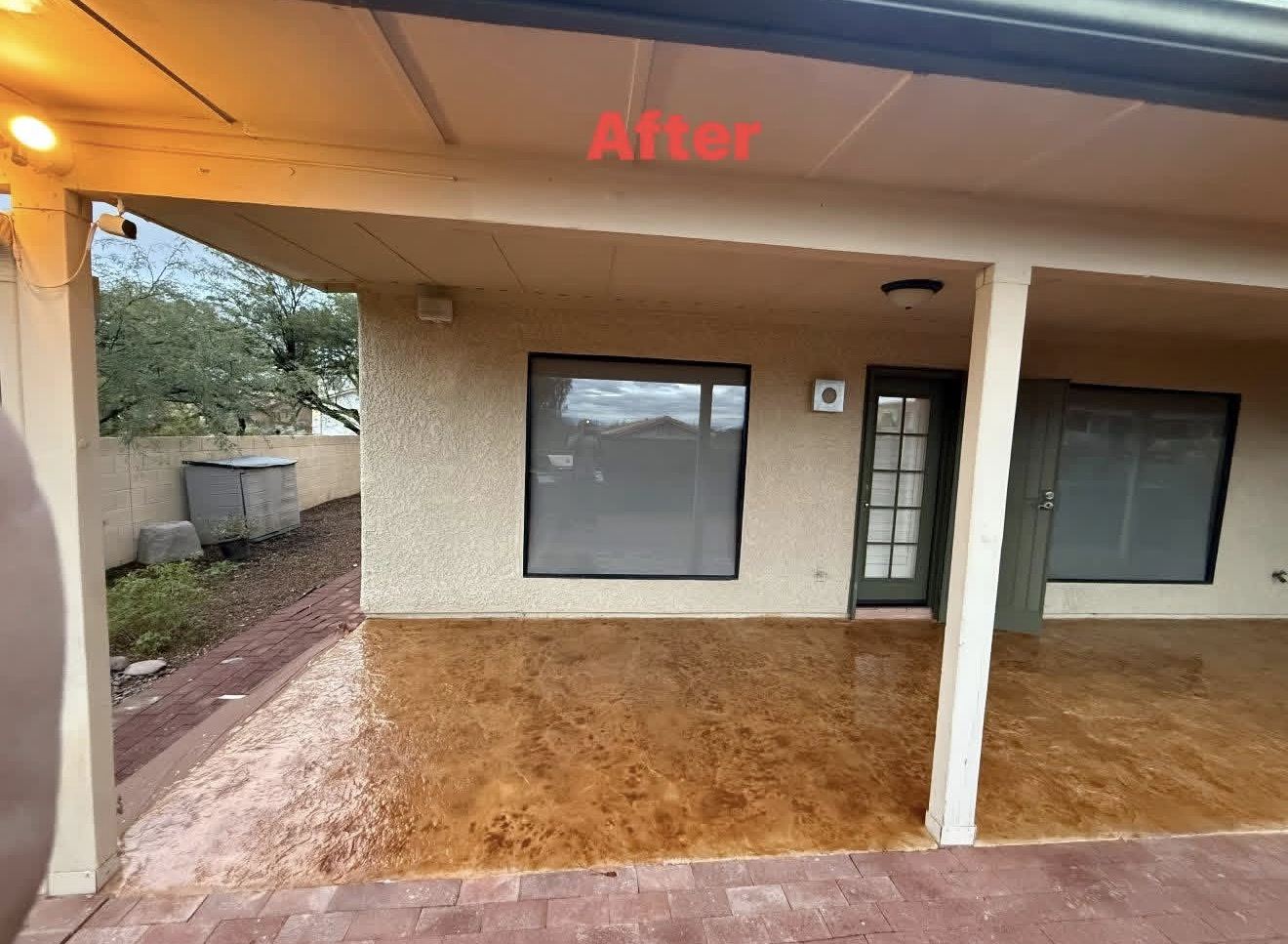
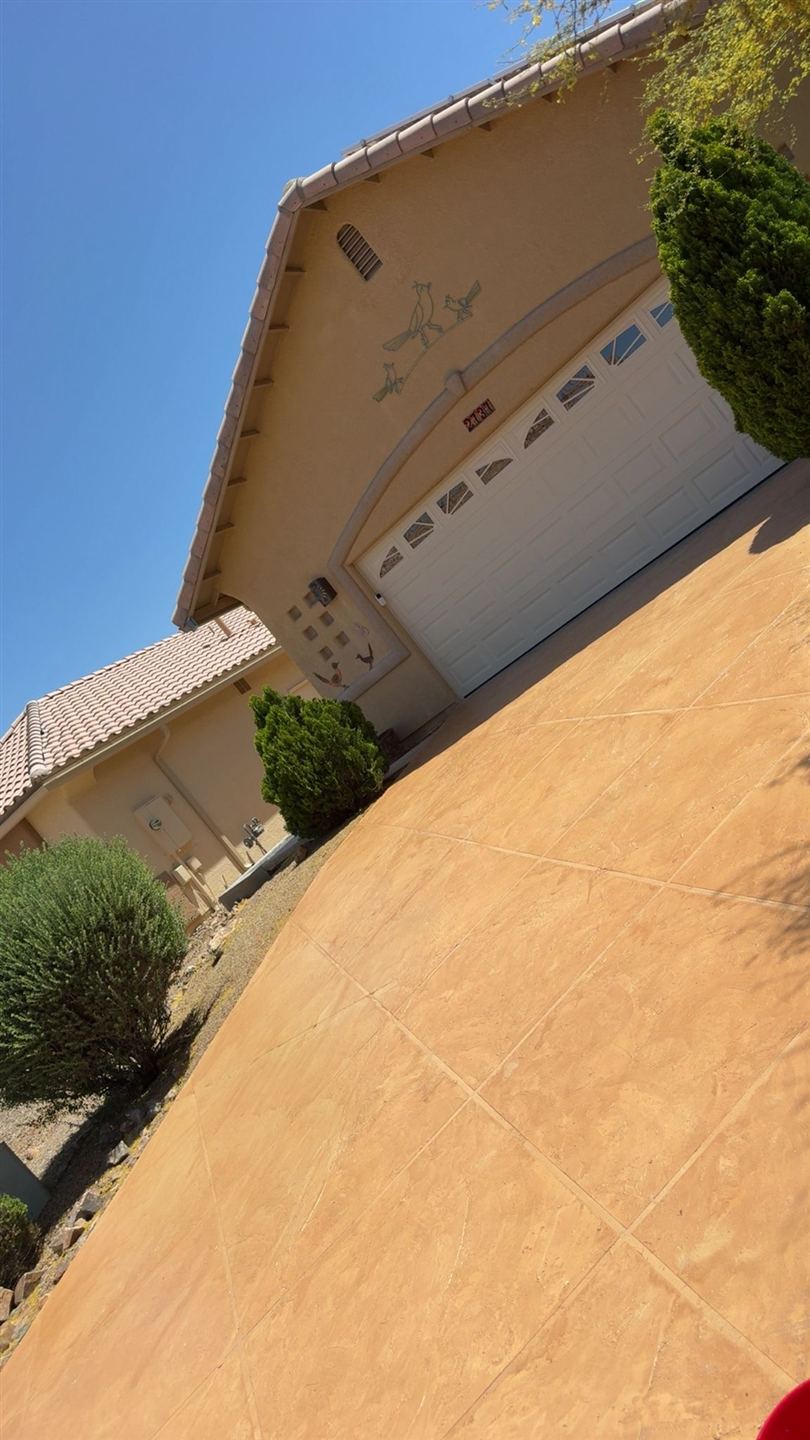
Concrete overlays and resurfacing can improve the appearance of a suitable existing surface while retaining the underlying slab. Patios, walkways, pool decks and other appropriate areas can be considered. A refreshed surface may provide a more consistent appearance or a decorative texture and pattern; suitability and finish options depend on the actual concrete and selected system.
Evaluate cracks, movement and the slab’s condition
The first step is assessing the existing concrete, including cracking, signs of settlement or movement, deterioration, previous repairs and existing coatings. A resurfacing layer depends on the slab beneath it. Severely damaged or unstable concrete may require repair or replacement, and significant structural concerns can need assessment by an appropriate design professional before appearance work is considered.
Review drainage before choosing the finish
Pooling water, low areas and drainage toward a doorway need attention before resurfacing is recommended. An overlay generally follows the existing concrete and should not be assumed to change the drainage design. Some conditions require a separate correction scope or replacement of affected areas rather than a decorative layer over the same problem.
Prepare a sound surface for the selected system
Evaluation and surface preparation are key to a long-lasting overlay. Preparation can include removing loose material or incompatible coatings, cleaning contamination, creating the required surface profile and completing compatible repairs. The exact work follows the chosen system and site condition. A new finish should not be applied over a weak or contaminated surface as a shortcut.
Discuss decorative colors, textures and patterns
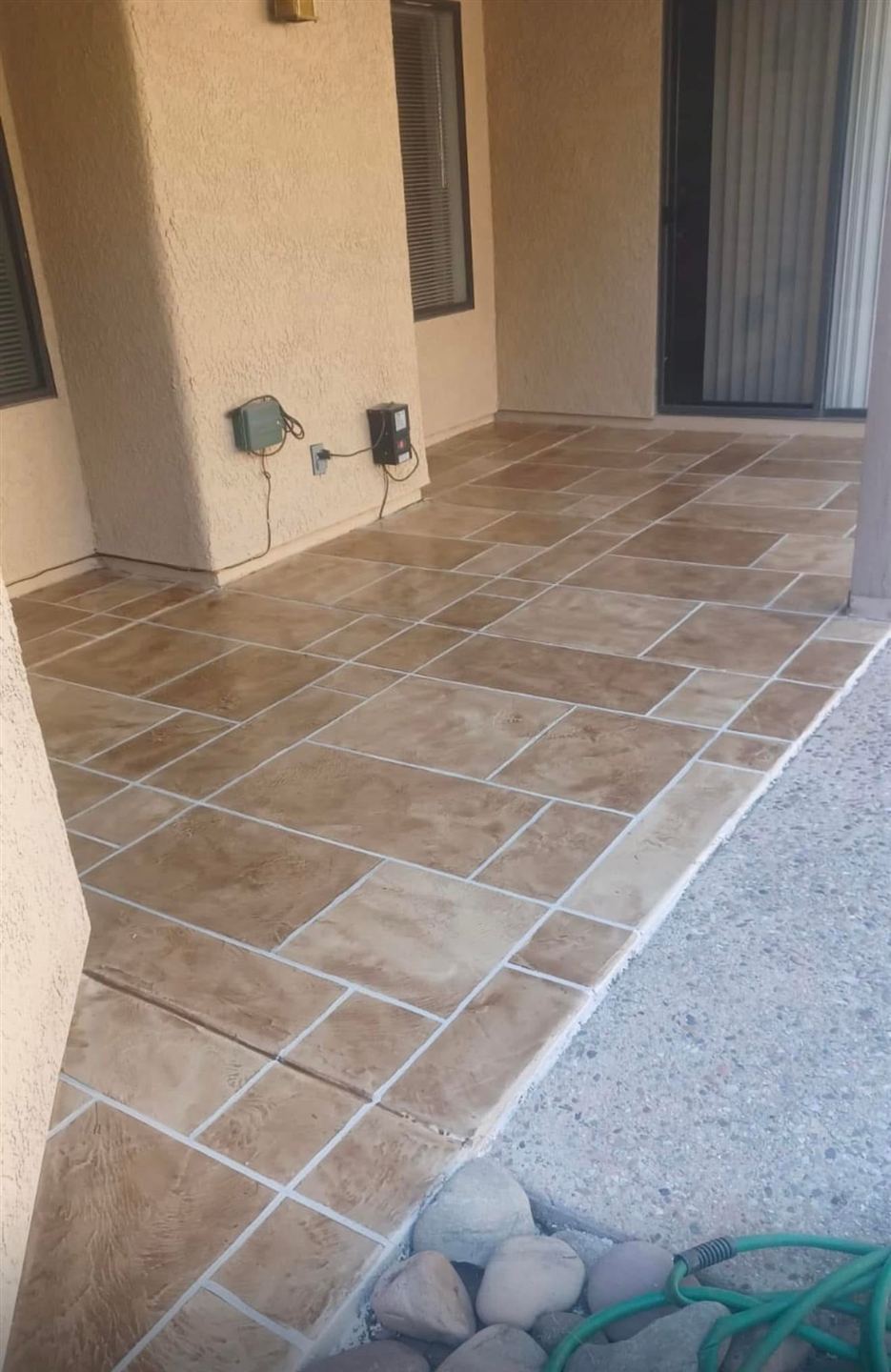
A resurfacing project can be an opportunity to change the character of an existing space. Ask about available colors, textures and decorative patterns, including the type of tile-pattern appearance shown in our confirmed JLA overlay photo. Options are system-dependent. Around walking routes and pool areas, appearance needs to be considered alongside texture, exposure and care.
Understand what an overlay can and cannot change
An overlay can refresh a suitable surface; it does not stabilize the ground, increase the slab’s structural capacity or permanently stop underlying cracks and movement. Cracks can reflect through a new finish. We explain the proposed preparation, known limitations and any separate repairs so appearance work is based on an informed decision.
Installation, protection and ongoing care
After evaluation and preparation, the selected resurfacing system is installed to its requirements and protected while it becomes ready for use. Follow the project-specific timing for walking, furniture and other loads. Clean with compatible products, avoid abrasive treatment and follow any protective-finish maintenance guidance. Monitor new movement, loosening or recurring cracks instead of covering them repeatedly.
A clear path to your estimate
- Assess the slab and discuss the appearance you want.
- Define preparation, needed repairs and finish options.
- Apply the selected system and explain care requirements.